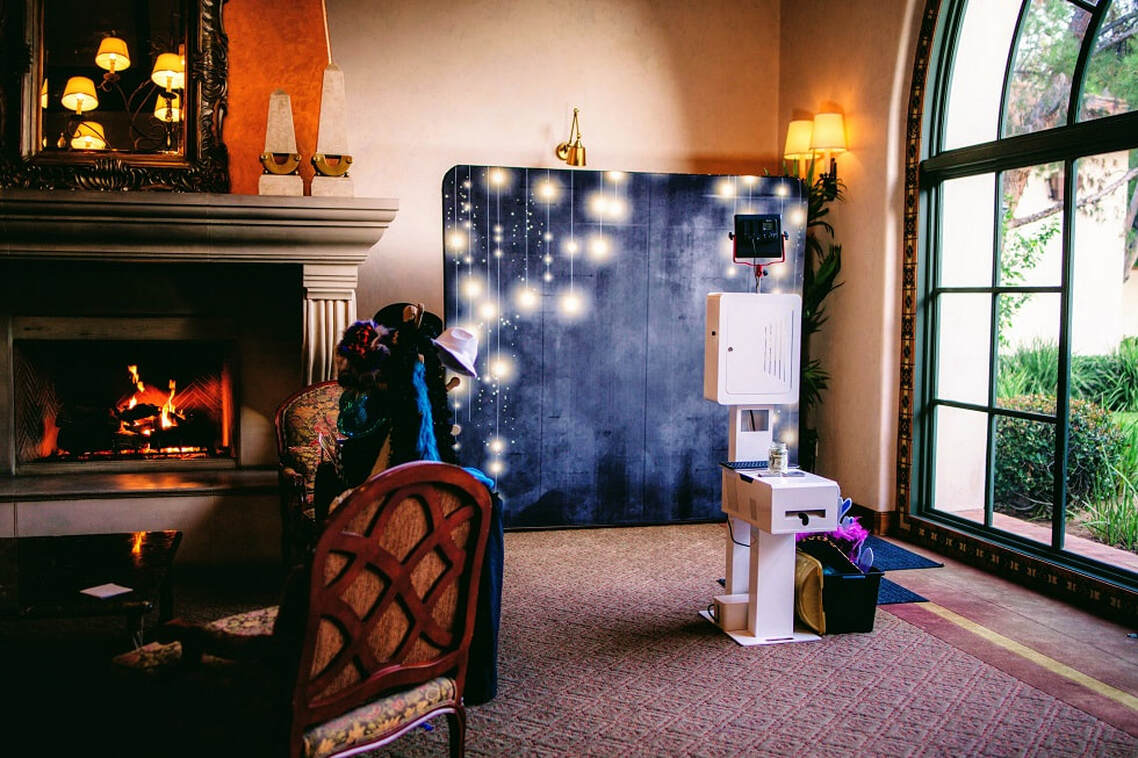
Affordable Photo Booths in Orange County, CA

Affordable Photo Booths in Orange County, CA , Our photo booth for hire covers weddings, business celebrations, and occasions in Los Angeles, and our outdoors image cubicle leasings will assist make your memories last forever. Our premium picture booth rental plans consist of a custom developed print in addition to crazy props, and your guests make certain to have a blast snapping all type of crazy photos. Offer your good friends, family and coworkers a valuable keepsake to take home and value permanently.

One of the questions that I continually get from a few of my good friends and blog site readers that just got into photography is “How can I take excellent pictures with what I have, without spending too much money on brand-new cameras and lenses?”. Ever since DSLRs and mirrorless have become more affordable and people began purchasing sophisticated “entry-level” electronic cameras, there has actually been an excellent interest in photography from the basic public. One huge challenge everyone runs against at one point or another, is the fact that when most expert photographers show the equipment they utilized to make beautiful images, it develops an impression that only pricey equipment can produce fantastic photographs. What occurs from there, truly boils down to the wallet and how serious an individual wishes to enter into photography– some begin purchasing costly gear and believing it will assist them to take good pictures and improve their photography, while others hold off and just keep their DSLRs or mirrorless video cameras as “point and shoots”, recognizing that they can’t do any better with what they have.

As I pointed out in my DSLR Purchase Guide, it is not necessary to have pricey gear to produce great-looking images. I constantly tell individuals when they buy their first DSLR video camera, that “an entry-level DSLR will get you 90% there”. Sure, professional a photo booth rental, devices is constantly going to be better and faster than entry-level equipment, after all, that’s why it is called “expert”. Nevertheless, some entry-level electronic cameras such as the Nikon D5600 get very close or, according to some reviews, even surpass professional cameras such as D500 in terms of image quality.

The biggest difference in between non-professional and expert equipment nowadays is a set of sophisticated functions, not always simply the quality of the video camera sensor. Compared to entry-level DSLRs and mirrorless, professional video cameras typically have the most options, have more durable shutters and faster frame rates, can deal with abnormal temperatures/humidity, have faster processing speed, better auto-focus, and so on. “Top of the line” expert gear (such as Nikon D850/Z7/D5) supply lower noise levels, much better vibrant variety and higher image quality– all due to a bigger full-frame sensor– whereas all entry-level DSLRs and mirrorless electronic cameras on the market today have “crop aspect” sensing units. Nikon’s entry-level DSLRs have 1.5 x crop aspect, whereas Canon entry-level DSLRs have a 1.6 x crop factor. I won’t go much into what “crop element” is, so if you wish to learn more about it, please have a look at this post.

However forget about crop factors, sensing unit types and other technical scrap– ask yourself one concern: who would have a much better painting, a great artist with a mediocre brush or a beginner with the most innovative brush on the planet? The response is apparent … a camera is just a tool in a photographer’s toolbox. Now, offer that exact same sophisticated brush to the terrific artist and he will create even much better paintings. That’s why expert photographers buy the very best gear– since they know how to get the most out of it.

If that concept sounds crazy to you, have a look at the video we made on how to take great images with any video camera:,

1) Don’t Leave Your Camera in your home

This might sound uncomfortable, however how good is your electronic camera if you leave it in the house? I have missed many fantastic photo chances just due to the fact that I forgot to take the video camera with me. Whether it is something silly or absolutely distinct, having an electronic camera with you may get you those rare, unique minutes.

2) Take Great Deals Of Pictures

The more you photo, the more you learn– as easy as that. Utilize every chance to capture images, whether it is early in the early morning or late during the night. By taking great deals of pictures, you will begin to comprehend how to use your video camera in different lighting conditions and what works and what doesn’t. At the very same time, when your photos do not come out as good, you will begin doing more research and reading articles, books, publications and online forums to search for a solution to your problem. Ultimately, you will gain from your mistakes and will gain a terrific deal of understanding on how to utilize your equipment effectively.

3) Go To Local Zoos, Botanic Gardens, Butterfly Pavilions and Animal Sanctuaries

Photographing wildlife can get extremely costly and potentially risky. If you do not own a long telephoto lens, you can try checking out your regional zoo or animal sanctuary for terrific picture chances. Larger zoos with plenty of open space are fantastic for photography, due to the fact that fences and other manufactured objects are not as obvious. You can get pretty close to some animals and capture terrific minutes.

Fantastic Horned Owl

NIKON D300 @ 200mm, ISO 200, 1/250, f/5.0.

Botanic gardens and butterfly structures are fantastic for macro/close-up photography. You can experiment with flowers, butterflies and other insects at various times of the day and not just find out a lot throughout the procedure, but likewise capture beautiful images. Everyone likes flowers and butterflies!

4) Join Local and Online Photography Clubs and Shoot with the Pros.

Browse online for photography clubs in your location and you will most likely discover at least a number of regional photography clubs. A number of those clubs are either complimentary or have extremely small month-to-month membership charges. Sign up with one or numerous of those clubs and not just will you find out from other professional photographers, but likewise you will get access to important details on local occasions that might be worth attending and photographing. Discover advanced professional photographers and pros, who are actually good at what they do and ask if you can assist them in any of their jobs. You’ll be shocked by how friendly and practical numerous of the professional photographers are and you will find out a lot from those folks.

Orange County Photo Booth Rental | photo booth for rent in OC

Orange County Photo Booth Rental | photo booth for rent in OC, Our image cubicle for hire covers weddings, corporate parties, and occasions in Los Angeles, and our open air picture booth rentals will assist make your memories last forever. Our premium picture booth rental packages include a customized created print along with crazy props, and your visitors are sure to have a blast snapping all type of insane images. Offer your friends, household and coworkers a valuable memento to take house and value forever.

One of the concerns that I continuously obtain from some of my friends and blog site readers that just entered into photography is “How can I take great pictures with what I have, without investing excessive money on new cams and lenses?”. Since DSLRs and mirrorless have become more affordable and individuals started purchasing sophisticated “entry-level” video cameras, there has actually been a fantastic interest in photography from the public. One big challenge everyone runs against at one point or another, is the reality that when most professional photographers reveal the devices they utilized to make beautiful images, it develops an impression that just pricey gear can produce terrific photographs. What takes place from there, truly comes down to the wallet and how major an individual wants to enter into photography– some begin purchasing expensive equipment and thinking it will assist them to take great photos and improve their photography, while others hold back and just keep their DSLRs or mirrorless video cameras as “point and shoots”, realizing that they can’t do any much better with what they have.

As I explained in my DSLR Purchase Guide, it is not needed to have pricey equipment to produce great-looking images. I constantly tell people when they acquire their first DSLR electronic camera, that “an entry-level DSLR will get you 90% there”. Sure, expert devices is always going to be much better and faster than entry-level equipment, after all, that’s why it is called “expert”. Nevertheless, some entry-level cameras such as the Nikon D5600 get very close or, according to some reviews, even surpass professional video cameras such as D500 in regards to image quality.

The greatest difference between non-professional and expert gear nowadays is a set of innovative features, not necessarily just the quality of the Check out this site camera sensing unit. Compared to entry-level DSLRs and mirrorless, expert electronic cameras generally have the most alternatives, have more long lasting shutters and faster frame rates, can deal with abnormal temperatures/humidity, have faster processing speed, much better auto-focus, and so on. “Top of the line” expert equipment (such as Nikon D850/Z7/D5) provide lower noise levels, much better vibrant variety and greater image quality– all due to a larger full-frame sensing unit– whereas all entry-level DSLRs and mirrorless video cameras on the market today have “crop element” sensing units. Nikon’s entry-level DSLRs have 1.5 x crop factor, whereas Canon entry-level DSLRs have a 1.6 x crop element. I won’t go much into what “crop factor” is, so if you wish to learn more about it, please have a look at this article.

However forget crop factors, sensor types and other technical junk– ask yourself one question: who would have a much better painting, a great artist with a mediocre brush or a novice with the most innovative brush on the world? The answer is apparent … a video camera is simply a tool in a professional photographer’s toolbox. Now, consider that exact same advanced brush to the fantastic artist and he will develop even better paintings. That’s why expert photographers purchase the best gear– because they understand how to get the most out of it.

If that idea sounds crazy to you, take an appearance at the video we made on how to take great images with any video camera:,

1) Do Not Leave Your Video Camera in the house

This might sound awkward, however how great is your electronic camera if you leave it at house? I have actually missed out on numerous fantastic photo opportunities simply since I forgot to take the cam with me. Whether it is something silly or absolutely unique, having a cam with you may get you those rare, unique moments.

2) Take Great Deals Of Pictures

The more you picture, the more you discover– as simple as that. Utilize every opportunity to capture images, whether it is early in the morning or late in the evening. By taking lots of images, you will begin to comprehend how to utilize your camera in various lighting conditions and what works and what doesn’t. At the same time, when your photos do not come out as excellent, you will start doing more research study and reading posts, books, magazines and online forums to look for an option to your problem. Eventually, you will gain from your errors and will get an excellent deal of understanding on how to use your equipment effectively.

3) Visit Local Zoos, Botanic Gardens, Butterfly Pavilions and Animal Sanctuaries

Photographing wildlife can get really costly and possibly dangerous. If you do not own a long telephoto lens, you can try having a look at your local zoo or animal sanctuary for terrific picture chances. Larger zoos with lots of open space are great for photography, due to the fact that fences and other man-made items are not as visible. You can get pretty close to some animals and capture fantastic moments.

Great Horned Owl

NIKON D300 @ 200mm, ISO 200, 1/250, f/5.0.

Botanic gardens and butterfly pavilions are excellent for macro/close-up photography. You can explore flowers, butterflies and other insects at various times of the day and not just find out a lot throughout the process, however also record lovely images. Everybody loves flowers and butterflies!

4) Join Local and Online Photography Clubs and Shoot with the Pros.

Search online for photography clubs in your area and you will probably discover a minimum of a number of local photography clubs. Much of those clubs are either free or have extremely little month-to-month membership charges. Join one or numerous of those clubs and not only will you gain from other photographers, but likewise you will get access to important info on regional occasions that might be worth going to and photographing. Discover advanced photographers and pros, who are really proficient at what they do and ask if you can assist them in any of their tasks. You’ll be amazed by how friendly and useful a lot of the photographers are and you will find out a lot from those folks.
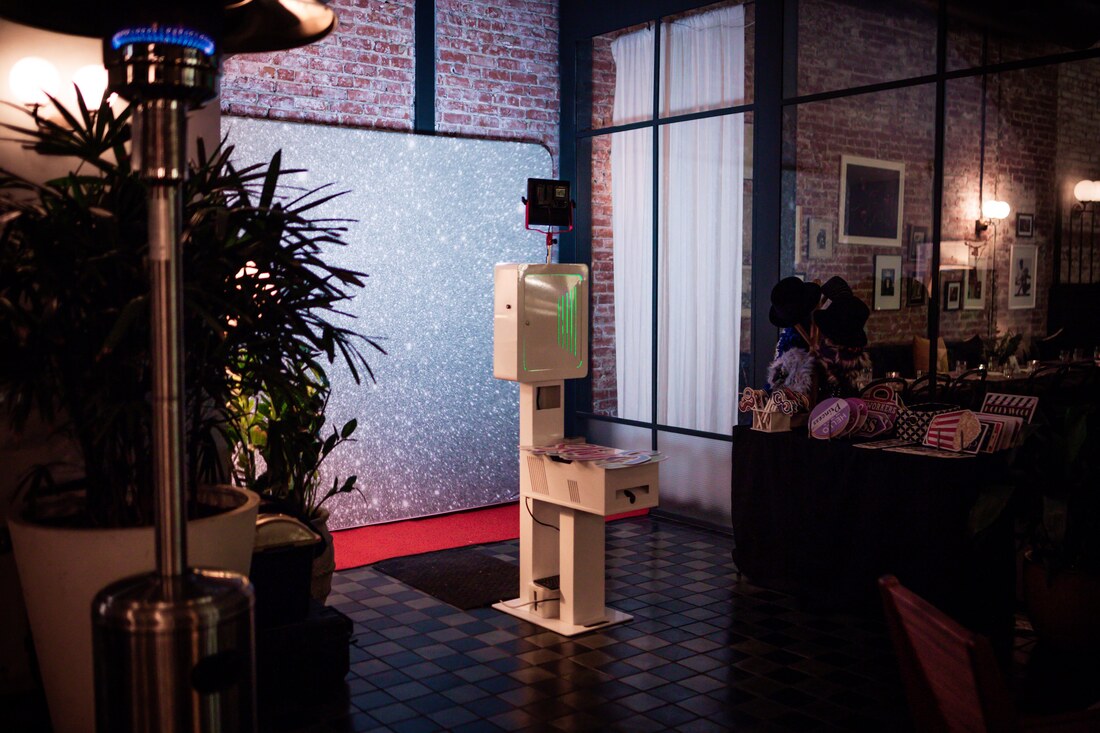
Photo Booth OC: Best Wedding Photo Booth Orange County CA

Photo Booth OC: Best Wedding Photo Booth Orange County CA, Our photo cubicle for hire covers wedding events, corporate celebrations, and occasions in Los Angeles, and our open air picture cubicle leasings will assist make your memories last forever. Our premium photo cubicle rental packages include a custom created print along with wacky props, and your guests make certain to have a blast snapping all kinds of insane pictures. Provide your friends, household and colleagues an invaluable keepsake to take house and cherish permanently.

One of the concerns that I continuously get from some of my good friends and blog readers that just got into photography is “How can I take excellent pictures with what I have, without investing excessive cash on brand-new cameras and lenses?”. Ever since DSLRs and mirrorless have become more affordable and people began purchasing innovative “entry-level” cameras, there has been a great interest in photography from the basic public. One huge obstacle everybody runs versus at one point or another, is the truth that when most expert photographers reveal the equipment they utilized to make beautiful images, it creates an impression that only pricey gear can produce fantastic photos. What occurs from there, really boils down to the wallet and how severe an individual desires to enter photography– some start purchasing expensive gear and thinking it will assist them to take great images and enhance their photography, while others hold off and simply keep their DSLRs or mirrorless cameras as “point and shoots”, understanding that they can’t do any better with what they have.

As I explained in my DSLR Purchase Guide, it is not essential to have expensive equipment to produce great-looking images. I always inform people when they acquire their first DSLR cam, that “an entry-level DSLR will get you 90% there”. Sure, professional devices is always going to be much better and faster than entry-level equipment, after all, that’s why it is called “professional”. However, some entry-level cams such as the Nikon D5600 get very close or, according to some reviews, even go beyond professional electronic cameras such as D500 in regards to image quality.

The greatest difference between non-professional and professional equipment nowadays is a set of sophisticated features, not always just the quality of the cam sensor. Compared to entry-level DSLRs and mirrorless, expert electronic cameras typically have the most options, have more long lasting shutters and faster frame rates, can handle abnormal temperatures/humidity, have faster processing speed, much better auto-focus, and so on. “Top of the line” expert gear (such as Nikon D850/Z7/D5) provide lower noise levels, better vibrant variety and greater image quality– all due to a bigger full-frame sensing unit– whereas all entry-level DSLRs and mirrorless cameras on the marketplace today have “crop element” sensors. Nikon’s entry-level DSLRs have 1.5 x crop factor, whereas Canon entry-level DSLRs have a 1.6 x crop aspect. I won’t go much into what “crop element” is, so if you desire to learn more about it, please have a look at this short article.

https://www.google.com/maps/embed?pb=!1m18!1m12!1m3!1d3314.0865406921566!2d-118.34368328479066!3d33.83587878066543!2m3!1f0!2f0!3f0!3m2!1i1024!2i768!4f13.1!3m3!1m2!1s0x80dd4be0b18b65c1%3A0x2aad4a7213b3ff9a!2sSelfie%20Station%20Rentals%20%7C%20GIF%20Photo%20Booth%20Rental%20Los%20Angeles!5e0!3m2!1str!2str!4v1591569337634!5m2!1str!2str

But forget about crop elements, sensor types and other technical scrap– ask yourself one question: who would have a much better painting, a terrific artist with a mediocre brush or a newbie with the most sophisticated brush on the planet? The answer is obvious … an electronic camera is simply a tool in a professional photographer’s tool kit. Now, consider that very same sophisticated brush to the terrific artist and he will produce even better paintings. That’s why professional photographers buy the finest gear– since they understand how to get the most out of it.

If that concept sounds insane to you, take an appearance at the video we made on how to take great images with any cam:,

1) Don’t Leave Your Camera at Home

This might sound uncomfortable, but how excellent is your video camera if you leave it at house? I have actually missed out on numerous terrific image chances even if I forgot to take the electronic camera with me. Whether it is something silly or absolutely unique, having an electronic camera with you may get you those uncommon, unbelievable minutes.

2) Take Lots of Pictures

The more you photo, the more you discover– as basic as that. Use every opportunity to record images, whether it is early in the morning or late at night. By taking great deals of pictures, you will start to comprehend how to utilize your electronic camera in different lighting conditions and what works and what does not. At the very same time, when your images do not come out as good, you will begin doing more research study and reading posts, books, publications and online forums to try to discover a service to your problem. Eventually, you will find out from your errors and will get a good deal of knowledge on how to use your gear successfully.

3) Go To Local Zoos, Botanic Gardens, Butterfly Pavilions and Animal Sanctuaries

Photographing wildlife can get really pricey and potentially dangerous. If you do not own a long telephoto lens, you can attempt examining out your local zoo or animal sanctuary for excellent photo opportunities. Larger zoos with lots of open area are excellent for photography, because fences and other manufactured items are not as visible. You can get pretty close to some animals and capture excellent minutes.

Fantastic Horned Owl

NIKON D300 @ 200mm, ISO 200, 1/250, f/5.0.

Botanic gardens and butterfly pavilions are fantastic for macro/close-up photography. You can explore flowers, butterflies and other bugs at various times of the day and not just discover a lot during the procedure, however likewise record lovely images. Everyone likes flowers and butterflies!

4) Join Regional and Online Photography Clubs and Click for info Shoot with the Pros.

Browse online for photography clubs in your area and you will probably find at least numerous local photography clubs. Much of those clubs are either totally free or have very small month-to-month membership fees. Join one or several of those clubs and not just will you gain from other professional photographers, however also you will get access to important information on regional occasions that may be worth attending and photographing. Find innovative photographers and pros, who are really great at what they do and ask if you can help them in any of their jobs. You’ll be surprised by how friendly and practical a number of the professional photographers are and you will find out a lot from those folks.
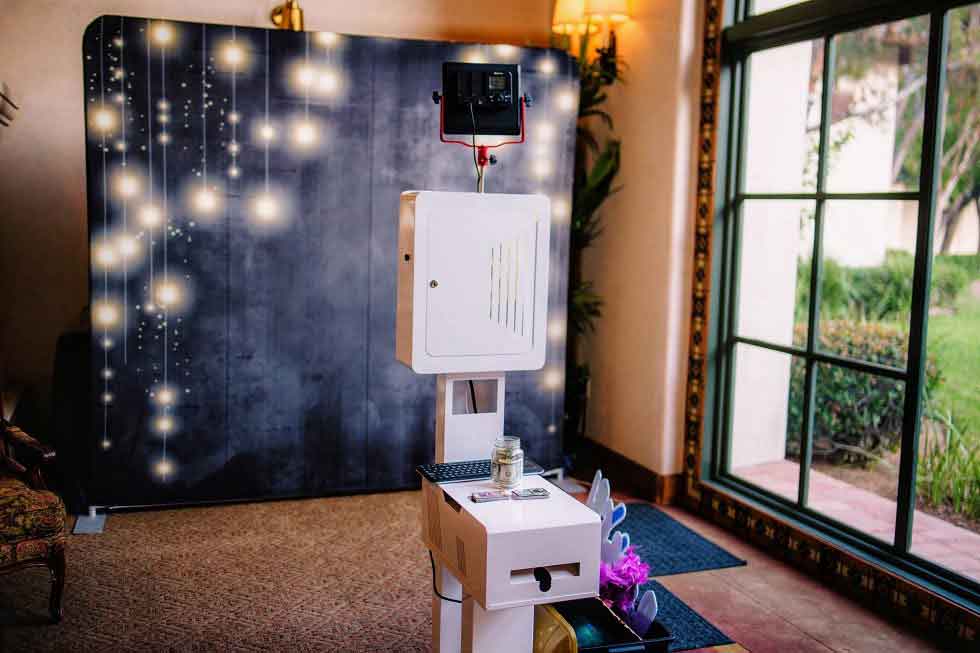
Photo Booth Rentals in Orange County, CA

Photo Booth Rentals in Orange County, CA, Our image cubicle for hire covers wedding events, business celebrations, and events in Los Angeles, and our outdoors image booth rentals will help make your memories last forever. Our premium photo cubicle rental plans include a custom-made developed print as well as crazy props, and your visitors are sure to have a blast snapping all sort of crazy photos. Provide your pals, family and coworkers an invaluable keepsake to take house and cherish forever.

Among the questions that I continually get from some of my friends and blog readers that simply got into photography is “How can I take excellent pictures with what I have, without investing excessive money on new cams and lenses?”. Ever since DSLRs and mirrorless have ended up being more budget friendly and individuals began purchasing innovative “entry-level” video cameras, there has actually been a terrific interest in photography from the public. One huge challenge everybody runs versus at one point or another, is the fact that when most professional photographers reveal the devices they used to make great-looking images, it produces an impression that just pricey equipment can produce excellent photographs. What occurs from there, really boils down to the wallet and how major an individual wishes to get into photography– some start purchasing costly gear and thinking it will help them to take good images and improve their photography, while others hold back and just keep their DSLRs or mirrorless cams as “point and shoots”, understanding that they can’t do any better with what they have.

As I mentioned in my DSLR Purchase Guide, it is not needed to have expensive gear to produce beautiful images. I always tell people when they acquire their very first DSLR cam, that “an entry-level DSLR will get you 90% there”. Sure, professional devices is constantly going to be better and faster than entry-level gear, after all, that’s why it is called “professional”. However, some entry-level cams such as the Nikon D5600 get really close or, according to some evaluations, even exceed expert video cameras such as D500 in terms of image quality.

The biggest distinction in between non-professional and expert gear nowadays is a set of innovative features, not always simply the quality of the video camera sensing unit. Compared to entry-level DSLRs and mirrorless, professional cameras usually have the most choices, have more long lasting shutters and faster frame rates, can handle irregular temperatures/humidity, have faster processing speed, much better auto-focus, and so on. “Top of the line” expert equipment (such as Nikon D850/Z7/D5) provide lower sound levels, better dynamic range and greater image quality– all due to a larger full-frame sensing unit– whereas all entry-level DSLRs and mirrorless video cameras on the marketplace today have “crop aspect” sensing units. Nikon’s entry-level DSLRs have 1.5 x crop factor, whereas Canon entry-level DSLRs have a 1.6 x crop aspect. I won’t go read more much into what “crop aspect” is, so if you wish to read more about it, please have a look at this article.

However forget crop aspects, sensing unit types and other technical junk– ask yourself one question: who would have a better painting, a terrific artist with a mediocre brush or a novice with the most sophisticated brush on earth? The answer is obvious … an electronic camera is just a tool in a photographer’s tool kit. Now, consider that very same sophisticated brush to the great artist and he will develop even better paintings. That’s why professional photographers purchase the very best gear– because they understand how to get the most out of it.

If that concept sounds crazy to you, have a look at the video we made on how to take excellent images with any electronic camera:,

1) Don’t Leave Your Camera at Home

This might sound uncomfortable, however how great is your video camera if you leave it in the house? I have actually missed out on a lot of terrific photo opportunities simply due to the fact that I forgot to take the electronic camera with me. Whether it is something ridiculous or totally special, having a camera with you might get you those rare, unbelievable minutes.

2) Take Lots of Pictures

The more you photo, the more you learn– as easy as that. Utilize every chance to catch images, whether it is early in the morning or late at night. By taking lots of images, you will start to comprehend how to use your cam in various lighting conditions and what works and what does not. At the very same time, when your photos do not come out as excellent, you will start doing more research study and reading posts, books, magazines and online forums to look for an option to your issue. Eventually, you will discover from your mistakes and will acquire a lot of knowledge on how to use your gear successfully.

3) Check Out Local Zoos, Botanic Gardens, Butterfly Pavilions and Animal Sanctuaries

Photographing wildlife can get very pricey and possibly risky. If you do not own a long telephoto lens, you can try examining out your regional zoo or animal sanctuary for fantastic image opportunities. Larger zoos with plenty of open area are great for photography, due to the fact that fences and other man-made items are not as obvious. You can get quite close to some animals and capture great minutes.

https://www.google.com/maps/embed?pb=!1m18!1m12!1m3!1d3312.041509341382!2d-118.07255128478916!3d33.88858478065066!2m3!1f0!2f0!3f0!3m2!1i1024!2i768!4f13.1!3m3!1m2!1s0x80dd2d216e8b6dc7%3A0xfecf7536e9b88748!2z4pyU77iPIEx1Y2t5IEZyb2cgUGhvdG8gQm9vdGgg4pyU77iPIE9yYW5nZSBDb3VudHkgUGhvdG8gQm9vdGggUmVudGFs!5e0!3m2!1str!2str!4v1591569295789!5m2!1str!2str

Fantastic Horned Owl

NIKON D300 @ 200mm, ISO 200, 1/250, f/5.0.

Botanic gardens and butterfly pavilions are fantastic for macro/close-up photography. You can experiment with flowers, butterflies and other pests at different times of the day and not just find out a lot during the procedure, however likewise capture beautiful images. Everyone loves flowers and butterflies!

4) Join Regional and Online Photography Clubs and Shoot with the Pros.

Search online for photography clubs in your location and you will probably discover a minimum of numerous regional photography clubs. Much of those clubs are either free or have very small monthly membership fees. Join one or several of those clubs and not just will you find out from other photographers, however likewise you will get access to valuable info on local occasions that might be worth attending and photographing. Discover sophisticated photographers and pros, who are truly proficient at what they do and ask if you can assist them in any of their jobs. You’ll be amazed by how friendly and practical a number of the photographers are and you will learn a lot from those folks.

Categories: None

THE BEST 10 Photo Booth Rentals in Orange County, CA

THE BEST 10 Photo Booth Rentals in Orange County, CA, Our photo booth for hire covers wedding events, business parties, and occasions in Los Angeles, and our outdoors image cubicle rentals will assist make your memories last forever. Our premium photo booth rental plans include a custom-made created print along with goofy props, and your visitors make sure to have a blast snapping all kinds of insane images. Offer your buddies, family and colleagues a valuable memento to take home and value permanently.

One of the concerns that I continuously get from some of my buddies and blog readers that simply entered photography is “How can I take excellent photos with what I have, without spending excessive money on brand-new electronic cameras and lenses?”. Since DSLRs and mirrorless have actually ended up being more inexpensive and individuals started purchasing advanced “entry-level” video cameras, there has been a fantastic interest in photography from the basic public. One big challenge everyone runs against at one point or another, is the fact that when most expert photographers reveal the devices they utilized to make great-looking images, it develops an impression that only pricey gear can produce great pictures. What happens from there, actually comes down to the wallet and how severe a person wants to get into photography– some begin buying pricey gear and thinking it will assist them to take good pictures and enhance their photography, while others hold back and simply keep their DSLRs or mirrorless cameras as “point and shoots”, recognizing that they can’t do any much better with what they have.

As I pointed out in my DSLR Purchase Guide, it is not essential to have expensive gear to produce great-looking images. I constantly inform individuals when they acquire their very first DSLR cam, that “an entry-level DSLR will get you 90% there”. Sure, professional equipment is always going to be much better and faster than entry-level gear, after all, that’s why it is called “expert”. However, some entry-level cameras such as the Nikon D5600 get extremely close or, according to some reviews, even go beyond expert video cameras such as D500 in terms of image quality.

The greatest difference in between non-professional and expert gear nowadays is a set of innovative functions, not necessarily simply the quality of the electronic camera sensing unit. Compared to entry-level DSLRs and mirrorless, expert electronic cameras usually have the most alternatives, have more resilient shutters and faster frame rates, can manage unusual temperatures/humidity, have faster processing speed, better auto-focus, and so on. “Top of the line” expert gear (such as Nikon D850/Z7/D5) offer lower noise levels, better dynamic range and higher image quality– all due to a larger full-frame sensing unit– whereas all entry-level DSLRs and mirrorless video cameras on the market today have “crop aspect” sensing units. Nikon’s entry-level DSLRs have 1.5 x crop factor, whereas Canon entry-level DSLRs have a 1.6 x crop aspect. I won’t go much into what “crop element” is, so if you wish to find out more about it, please have a look at photo booth rental, this short article.

However ignore crop aspects, sensing unit types and other technical junk– ask yourself one concern: who would have a much better painting, a fantastic artist with an average brush or a beginner with the most advanced brush on the planet? The answer is obvious … an electronic camera is simply a tool in a professional photographer’s tool kit. Now, consider that very same innovative brush to the excellent artist and he will develop even better paintings. That’s why professional photographers buy the very best gear– because they understand how to get the most out of it.

If that concept sounds insane to you, take an appearance at the video we made on how to take excellent images with any camera:,

1) Do Not Leave Your Electronic Camera in your home

This might sound uncomfortable, however how good is your camera if you leave it in the house? I have actually missed out on a lot of excellent picture chances even if I forgot to take the electronic camera with me. Whether it is something silly or absolutely unique, having a video camera with you might get you those rare, unbelievable minutes.

2) Take Lots of Pictures

The more you photo, the more you find out– as basic as that. Utilize every chance to catch images, whether it is early in the early morning or late in the evening. By taking great deals of photos, you will start to comprehend how to use your cam in various lighting conditions and what works and what doesn’t. At the same time, when your photos do not come out as excellent, you will start doing more research and reading short articles, books, magazines and online forums to look for a solution to your problem. Ultimately, you will find out from your errors and will acquire a great deal of understanding on how to use your equipment effectively.

3) See Local Zoos, Botanic Gardens, Butterfly Pavilions and Animal Sanctuaries

Photographing wildlife can get really expensive and possibly risky. If you do not own a long telephoto lens, you can try having a look at your local zoo or animal sanctuary for excellent picture chances. Bigger zoos with a lot of open space are terrific for photography, because fences and other man-made objects are not as visible. You can get quite near to some animals and capture great moments.

Great Horned Owl

NIKON D300 @ 200mm, ISO 200, 1/250, f/5.0.

Botanic gardens and butterfly pavilions are great for macro/close-up photography. You can try out flowers, butterflies and other bugs at different times of the day and not just find out a lot throughout the process, however likewise record beautiful images. Everybody loves flowers and butterflies!

4) Join Regional and Online Photography Clubs and Shoot with the Pros.

Browse online for photography clubs in your area and you will probably find at least several local photography clubs. Much of those clubs are either free or have extremely little monthly subscription costs. Join one or numerous of those clubs and not just will you gain from other professional photographers, but also you will get access to important details on local events that may be worth participating in and photographing. Discover advanced photographers and pros, who are truly proficient at what they do and ask if you can assist them in any of their jobs. You’ll be shocked by how friendly and helpful numerous of the professional photographers are and you will discover a lot from those folks.

SoCal #1 Party Photo Booth – Let Us Bring Fun to You

Our image booth for hire covers weddings, business parties, and occasions in Los Angeles, and our open air image booth leasings will help make your memories last permanently. Our premium photo booth rental bundles consist of a customized designed print as well as crazy props, and your guests are sure to have a blast snapping all kinds of crazy images. Offer your buddies, family and coworkers an invaluable memento to take house and treasure permanently.

Among the questions that I constantly obtain from a few of my good friends and blog readers that just entered into photography is “How can I take excellent pictures with what I have, without investing excessive cash on new video cameras and lenses?”. Ever considering that DSLRs and mirrorless have actually become more inexpensive and individuals started purchasing advanced “entry-level” video cameras, there has been a fantastic interest in photography from the basic public. One huge obstacle everybody runs against at one point or another, is the truth that when most professional photographers show the devices they used to make great-looking images, it develops an impression that just costly gear can produce excellent pictures. What occurs from there, actually comes down to the wallet and how severe a person wants to enter into photography– some begin purchasing pricey gear and believing it will assist them to take great images and improve their photography, while others hold off and just keep their DSLRs or mirrorless electronic cameras as “point and shoots”, understanding that they can’t do follow this link any better with what they have.

As I pointed out in my DSLR Purchase Guide, it is not essential to have expensive gear to produce beautiful images. I constantly tell people when they purchase their first DSLR camera, that “an entry-level DSLR will get you 90% there”. Sure, professional equipment is constantly going to be better and faster than entry-level equipment, after all, that’s why it is called “professional”. However, some entry-level cameras such as the Nikon D5600 get really close or, according to some evaluations, even exceed professional cams such as D500 in regards to image quality.

The greatest distinction in between non-professional and professional gear nowadays is a set of sophisticated functions, not always just the quality of the cam sensing unit. Compared to entry-level DSLRs and mirrorless, expert cameras generally have the most choices, have more durable shutters and faster frame rates, can handle irregular temperatures/humidity, have faster processing speed, better auto-focus, and so on. “Top of the line” professional equipment (such as Nikon D850/Z7/D5) offer lower sound levels, better dynamic range and higher image quality– all due to a bigger full-frame sensor– whereas all entry-level DSLRs and mirrorless cams on the marketplace today have “crop element” sensing units. Nikon‘s entry-level DSLRs have 1.5 x crop element, whereas Canon entry-level DSLRs have a 1.6 x crop factor. I won’t go much into what “crop element” is, so if you wish to check out more about it, please check out this article.

But ignore crop aspects, sensing unit types and other technical scrap– ask yourself one concern: who would have a much better painting, an excellent artist with a mediocre brush or a newbie with the most innovative brush in the world? The response is apparent … a video camera is just a tool in a photographer’s tool kit. Now, consider that exact same innovative brush to the excellent artist and he will create even better paintings. That’s why expert photographers buy the very best gear— since they know how to get the most out of it.

If that concept sounds insane to you, take a look at the video we made on how to take good images with any cam:,

1) Don’t Leave Your Cam in your home

This might sound uncomfortable, however how great is your electronic camera if you leave it at house? I have missed out on many great image chances just since I forgot to take the electronic camera with me. Whether it is something silly or absolutely unique, having an electronic camera with you might get you those uncommon, unique minutes.

2) Take Great Deals Of Pictures

The more you photograph, the more you learn– as simple as that. Use every opportunity to capture images, whether it is early in the morning or late at night. By taking lots of photos, you will begin to comprehend how to utilize your electronic camera in various lighting conditions and what works and what doesn’t. At the same time, when your images do not come out as excellent, you will begin doing more research and reading articles, books, publications and online forums to search for a solution to your problem. Ultimately, you will gain from your errors and will gain an excellent offer of understanding on how to use your gear successfully.

3) See Local Zoos, Botanic Gardens, Butterfly Pavilions and Animal Sanctuaries

https://www.google.com/maps/embed?pb=!1m18!1m12!1m3!1d3314.0865406921566!2d-118.34368328479066!3d33.83587878066543!2m3!1f0!2f0!3f0!3m2!1i1024!2i768!4f13.1!3m3!1m2!1s0x80dd4be0b18b65c1%3A0x2aad4a7213b3ff9a!2sSelfie%20Station%20Rentals%20%7C%20GIF%20Photo%20Booth%20Rental%20Los%20Angeles!5e0!3m2!1str!2str!4v1591569337634!5m2!1str!2str

Photographing wildlife can get really expensive and possibly risky. If you do not own a long telephoto lens, you can attempt taking a look at your local zoo or animal sanctuary for fantastic photo opportunities. Larger zoos with lots of open area are fantastic for photography, due to the fact that fences and other manufactured items are not as noticeable. You can get quite near to some animals and capture excellent minutes.

Fantastic Horned Owl

NIKON D300 @ 200mm, ISO 200, 1/250, f/5.0.

Botanic gardens and butterfly pavilions are terrific for macro/close-up photography. You can experiment with flowers, butterflies and other bugs at various times of the day and not just find out a lot throughout the process, but also record beautiful images. Everybody likes flowers and butterflies!

4) Join Local and Online Photography Clubs and Shoot with the Pros.

Search online for photography clubs in your location and you will more than likely find a minimum of a number of regional photography clubs. Numerous of those clubs are either totally free or have extremely little month-to-month subscription costs. Sign up with one or several of those clubs and not just will you gain from other photographers, however likewise you will get access to valuable information on regional events that may be worth participating in and photographing. Discover advanced photographers and pros, who are actually great at what they do and ask if you can assist them in any of their tasks. You’ll be shocked by how friendly and handy many of the professional photographers are and you will find out a lot from those folks.

photo booth rental orange county

Our picture cubicle for hire covers wedding events, business celebrations, and photo booth rental orange county, and our outdoors picture cubicle leasings will help make your memories last forever. Our premium photo cubicle rental plans consist of a customized designed print in addition to wacky props, and your visitors are sure to have a blast snapping all kinds of insane images. Offer your good friends, family and coworkers an invaluable keepsake to take home and treasure permanently.

One of the concerns that I continually receive from a few of my good friends and blog site readers that simply entered into photography is “How can I take excellent images with what I have, without investing excessive cash on new electronic cameras and lenses?”. Since DSLRs and mirrorless have actually become more cost effective and people began buying advanced “entry-level” cameras, there has been a fantastic interest in photography from the public. One huge barrier everybody runs against at one point or another, is the reality that when most professional photographers show the devices they used to make beautiful images, it produces an impression that just pricey gear can produce excellent pictures. What takes place from there, actually comes down to the wallet and how serious a person wants to enter into photography– some start purchasing expensive equipment and thinking it will assist them to take good pictures and enhance their photography, while others hold back and just keep their DSLRs or mirrorless electronic cameras as “point and shoots”, recognizing that they can’t do any much better with what they have.

As I pointed out in my DSLR Purchase Guide, it is not required to have pricey gear to produce great-looking images. I always inform individuals when they buy their first DSLR camera, that “an entry-level DSLR will get you 90% there”. Sure, professional equipment is always going to be better and faster than entry-level gear, after all, that’s why it is called “professional”. However, some entry-level cams such as the Nikon D5600 get very close or, according to some reviews, even go beyond expert video cameras such as D500 in regards to image quality.

The biggest difference between non-professional and professional equipment nowadays is a set of advanced features, not always just the quality of the electronic camera sensor. Compared to entry-level DSLRs and mirrorless, professional electronic cameras typically have the most alternatives, have more long lasting shutters and faster frame rates, can handle unusual temperatures/humidity, have faster processing speed, much better auto-focus, and so on. “Top of the line” professional gear (such as Nikon D850/Z7/D5) supply lower sound levels, much better dynamic range and greater image quality– all due to a larger full-frame sensor– whereas all entry-level DSLRs and mirrorless video cameras on the market today have “crop element” sensors. photo booth rental Orange County, Nikon’s entry-level DSLRs have 1.5 x crop aspect, whereas Canon entry-level DSLRs have a 1.6 x crop aspect. I won’t go much into what “crop factor” is, so if you wish to check out more about it, please have a look at this short article.

But forget crop factors, sensor types and other technical scrap– ask yourself one question: who would have a much better painting, a fantastic artist with a mediocre brush or a newbie with the most sophisticated brush in the world? The response is apparent … a cam is simply a tool in a professional photographer’s toolbox. Now, consider that very same innovative brush to the great artist and he will create even much better paintings. That’s why expert photographers buy the very best gear– since they know how to get the most out of it.

If that idea sounds insane to you, take an appearance at the video we made on how to take good images with any camera:,

1) Do Not Leave Your Electronic Camera at Homehttps://www.youtube.com/embed/AFfur0Dg9tM?version=3&rel=1&fs=1&autohide=2&showsearch=0&showinfo=1&iv_load_policy=1&wmode=transparent

This might sound uncomfortable, however how excellent is your cam if you leave it at house? I have missed many terrific photo chances even if I forgot to take the video camera with me. Whether it is something ridiculous or completely unique, having a cam with you may get you those rare, unique minutes.

2) Take Lots of Pictures

The more you photograph, the more you discover– as simple as that. Use every opportunity to record images, whether it is early in the early morning or late in the evening. By taking lots of photos, you will start to understand how to utilize your electronic camera in various lighting conditions and what works and what doesn’t. At the same time, when your photos do not come out as great, you will begin doing more research study and reading posts, books, publications and online forums to search for a solution to your problem. Ultimately, you will find out from your errors and will get a lot of knowledge on how to use your gear successfully.

3) Go To Local Zoos, Botanic Gardens, Butterfly Pavilions and Animal Sanctuaries

Photographing wildlife can get really pricey and possibly risky. If you do not own a long telephoto lens, you can try having a look at your regional zoo or animal sanctuary for excellent picture opportunities. Bigger zoos with lots of open space are terrific for photography, due to the fact that fences and other man-made items are not as obvious. You can get pretty close to some animals and capture terrific moments.https://www.google.com/maps/embed?pb=!1m18!1m12!1m3!1d3306.3614898924!2d-117.93846358478541!3d34.034597180610696!2m3!1f0!2f0!3f0!3m2!1i1024!2i768!4f13.1!3m3!1m2!1s0x0:0xc130c0097b8823e!2sPhoto%20Fiesta*21%20Photo%20Booth%20Rentals!5e0!3m2!1sen!2str!4v1591569326896!5m2!1sen!2str

Fantastic Horned Owl

NIKON D300 @ 200mm, ISO 200, 1/250, f/5.0.

Botanic gardens and butterfly pavilions are excellent for macro/close-up photography. You can experiment with flowers, butterflies and other bugs at various times of the day and not just learn a lot throughout the process, however also record stunning images. Everyone enjoys flowers and butterflies!

4) Join Regional and Online Photography Clubs and Shoot with the Pros.

Browse online for photography clubs in your location and you will more than likely find a minimum of several local photography clubs. A lot of those clubs are either free or have really little monthly membership fees. Sign up with one or several of those clubs and not just will you gain from other professional photographers, however also you will get access to valuable info on local occasions that might be worth participating in and photographing. Find innovative professional photographers and pros, who are truly excellent at what they do and ask if you can help them in any of their jobs. You’ll be shocked by how friendly and practical much of the photographers are and you will discover a lot from those folks.

Photo Booth Rental San Diego

Our Photo Booth Rental San Diego
for hire covers wedding events, business parties, and occasions in Los Angeles, and our open air image cubicle rentals will help make your memories last forever. Our premium image booth rental packages consist of a customized created print along with wacky props, and your visitors make sure to have a blast snapping all kinds of insane images. Offer your buddies, family and colleagues an invaluable memento to take home and treasure permanently.

Among the concerns that I continually get from a few of my friends and blog site readers that simply entered into photography is “How can I take excellent pictures with what I have, without spending excessive cash on new electronic cameras and lenses?”. Since DSLRs and mirrorless have actually ended up being more affordable and individuals started buying innovative “entry-level” cams, there has been an excellent interest in photography from the public. One big barrier everyone runs versus at one point or another, is the fact that when most professional photographers reveal the equipment they utilized to make beautiful images, it produces an impression that just expensive gear can produce fantastic pictures. What happens from there, truly boils down to the wallet and how severe a person wishes to enter photography– some begin buying costly equipment and thinking it will help them to take excellent images and enhance their photography, while others hold back and simply keep their DSLRs or mirrorless video cameras as “point and shoots”, realizing that they can’t do any much better with what they have.

As I explained in my DSLR Purchase Guide, it is not essential to have expensive gear to produce great-looking images. I always tell people when they buy their very first DSLR camera, that “an entry-level DSLR will get you 90% there”. Sure, professional equipment is constantly going to be much better and faster than entry-level gear, after all, that’s why it is called “expert”. Nevertheless, some entry-level video cameras such as the Nikon D5600 get very close or, according to some evaluations, even go beyond expert video cameras such as D500 in regards to image quality.

The most significant distinction in between non-professional and professional gear nowadays is a set of sophisticated features, not necessarily just the quality of the camera sensor. Compared to entry-level DSLRs and mirrorless, expert electronic cameras typically have the most choices, have more long lasting shutters and faster frame rates, can deal with irregular temperatures/humidity, have faster processing speed, Click for more much better auto-focus, and so on. “Top of the line” expert gear (such as Nikon D850/Z7/D5) supply lower noise levels, better vibrant range and greater image quality– all due to a bigger full-frame sensor– whereas all entry-level DSLRs and mirrorless cameras on the marketplace today have “crop factor” sensing units. Nikon’s entry-level DSLRs have 1.5 x crop factor, whereas Canon entry-level DSLRs have a 1.6 x crop element. I will not go much into what “crop factor” is, so if you want to read more about it, please have a look at this short article.

But ignore crop aspects, sensing unit types and other technical scrap– ask yourself one question: who would have a better painting, a great artist with a mediocre brush or a novice with the most innovative brush on the world? The response is obvious … a video camera is simply a tool in a photographer’s toolbox. Now, consider that same advanced brush to the terrific artist and he will produce even much better paintings. That’s why professional photographers buy the finest gear– since they know how to get the most out of it.

If that concept sounds insane to you, take a look at the video we made on how to take excellent photos with any electronic camera:,

1) Do Not Leave Your Video Camera at House

This might sound awkward, however how great is your cam if you leave it in the house? I have actually missed a lot of excellent image opportunities even if I forgot to take the camera with me. Whether it is something silly or completely unique, having a video camera with you may get you those unusual, unbelievable minutes.

2) Take Lots of Pictures

The more you picture, the more you learn– as basic as that. Use every opportunity to capture images, whether it is early in the morning or late during the night. By taking lots of pictures, you will begin to comprehend how to use your cam in various lighting conditions and what works and what doesn’t. At the very same time, when your images do not come out as excellent, you will start doing more research study and reading articles, books, publications and online forums to look for a solution to your issue. Ultimately, you will find out from your errors and will gain a good deal of knowledge on how to use your gear successfully.

3) Check Out Local Zoos, Botanic Gardens, Butterfly Pavilions and Animal Sanctuaries

Photographing wildlife can get really expensive and potentially risky. If you do not own a long telephoto lens, you can attempt having a look at your regional zoo or animal sanctuary for excellent picture chances. Larger zoos with plenty of open area are fantastic for photography, due to the fact that fences and other manufactured objects are not as noticeable. You can get quite close to some animals and capture fantastic moments.

Terrific Horned Owl

NIKON D300 @ 200mm, ISO 200, 1/250, f/5.0.

Botanic gardens and butterfly structures are excellent for macro/close-up photography. You can explore flowers, butterflies and other insects at different times of the day and not only find out a lot throughout the process, however also catch lovely images. Everybody likes flowers and butterflies!

4) Join Local and Online Photography Clubs and Shoot with the Pros.

Search online for photography clubs in your area and you will probably find at least several local photography clubs. A lot of those clubs are either totally free or have really little month-to-month membership costs. Join one or numerous of those clubs and not just will you gain from other photographers, but also you will get access to important info on local occasions that may be worth attending and photographing. Find advanced professional photographers and pros, who are actually good at what they do and ask if you can assist them in any of their tasks. You’ll be amazed by how friendly and useful a number of the photographers are and you will learn a lot from those folks.

photo booth rental package San Diego

Our photo booth rental package San Diego covers wedding events, corporate celebrations, and occasions in Los Angeles, and our outdoors photo booth rentals will assist make your memories last permanently. Our premium photo booth rental bundles consist of a customized developed print as well as wacky props, and your visitors make certain to have a blast snapping all sort of crazy photos. Give your buddies, household and colleagues an invaluable keepsake to take home and treasure permanently.

One of the concerns that I constantly receive from some of my friends and blog readers that simply entered into photography is “How can I take great pictures with what I have, without investing excessive money on brand-new cams and lenses?”. Ever since DSLRs and mirrorless have become more affordable and people began buying innovative “entry-level” electronic cameras, there has actually been a fantastic interest in photography from the basic public. One huge barrier everybody runs against at one point or another, is the fact that when most expert photographers show the devices they used to make great-looking images, it develops an impression that just costly equipment can produce great photos. What happens from there, actually comes down to the wallet and how serious an individual wishes to get into photography– some begin purchasing pricey gear and thinking it will assist them to take great images and improve their photography, while others hold back and simply keep their DSLRs or mirrorless cams as “point and shoots”, recognizing that they can’t do any much better with what they have.

As I pointed out in my DSLR Purchase Guide, it is not essential to have costly gear to produce beautiful images. I always tell people when they buy their first DSLR camera, that “an entry-level DSLR will get you 90% there”. Sure, professional devices is constantly going to be better and faster than entry-level gear, after all, that’s why it is called “expert”. Nevertheless, some entry-level cameras such as the Nikon D5600 get really close or, according to some reviews, even exceed expert electronic cameras such as D500 in regards to image quality.

The greatest distinction between non-professional and professional equipment nowadays is a set of innovative functions, not necessarily simply the quality of the electronic camera sensing unit. Compared to entry-level DSLRs and mirrorless, professional cams normally have the most choices, have more long lasting shutters and faster frame rates, can deal with abnormal temperatures/humidity, have faster processing speed, much better auto-focus, and so on. “Top of the line” professional gear (such as Nikon D850/Z7/D5) supply lower sound levels, better vibrant range and higher image quality– all due to a bigger full-frame sensor– whereas all entry-level DSLRs and mirrorless cameras on the marketplace today have “crop aspect” sensing units. Nikon’s entry-level DSLRs have 1.5 x crop element, whereas Canon entry-level DSLRs have a 1.6 x crop factor. I won’t go much into what “crop factor” is, so if you desire to learn more about it, please take a look at this post.

However forget about crop factors, sensing unit types and other technical junk– ask yourself one question: who would have a much better painting, a great artist with a mediocre brush or a novice with the most sophisticated brush on earth? The response is obvious … a video camera is simply a tool in a photographer’s tool kit. Now, provide that very same sophisticated brush to the excellent artist and he will develop even better paintings. That’s why expert photographers purchase the best gear– due to the fact that they know how to get the most out of it.

If that idea sounds insane to you, have a look at the video we made on how to take good photos with any video camera:,

1) Don’t Leave Your Video Camera at House

This might sound awkward, but how excellent is your cam if you leave it in your home? I have actually missed out on a lot of fantastic picture opportunities just because I forgot to take the video camera with me. Whether it is something silly or absolutely special, having a camera with you may get you those unusual, unbelievable minutes.

2) Take Lots of Pictures

The more you photo, the more you discover– as simple as that. Use every opportunity to record images, whether it is early in the morning or late in the evening. By taking great deals of photos, you will start to comprehend how to utilize your cam in different lighting conditions and what works and what does not. At the very same time, when your images do not come out as excellent, you will start doing more research study and reading short articles, books, magazines and online forums to attempt to find a service to your issue. Ultimately, you will gain from your mistakes and will gain a good deal of knowledge on how to utilize your gear efficiently.

3) Go To Resident Zoos, Botanic Gardens, Butterfly Pavilions and Animal Sanctuaries

Photographing wildlife can get extremely costly and potentially dangerous. If you do not own a long telephoto lens, you can try having a look at your local zoo or animal sanctuary for excellent image chances. Bigger zoos with a lot of open area are fantastic for photography, since fences and other man-made things are not as visible. You can get pretty near to some animals and capture fantastic minutes.

Great Horned Owl

NIKON D300 @ 200mm, ISO 200, 1/250, f/5.0.

Botanic gardens and butterfly structures are terrific for macro/close-up photography. You can try out flowers, butterflies and other insects at various times of the day and not only find out photo booths rent a lot during the procedure, however likewise catch gorgeous images. Everybody enjoys flowers and butterflies!

4) Sign Up With Local and Online Photography Clubs and Shoot with the Pros.

Browse online for photography clubs in your location and you will more than likely find a minimum of several local photography clubs. Much of those clubs are either totally free or have very little monthly membership fees. Sign up with one or several of those clubs and not just will you gain from other photographers, however also you will get access to valuable info on local events that may be worth participating in and photographing. Find sophisticated professional photographers and pros, who are truly proficient at what they do and ask if you can help them in any of their tasks. You’ll be shocked by how friendly and handy a lot of the professional photographers are and you will discover a lot from those folks.

corporate event photo booth San Diego

corporate event photo booth San Diego covers wedding events, corporate parties, and events in Los Angeles, and our outdoors picture cubicle leasings will assist make your memories last forever. Our premium image cubicle rental bundles consist of a custom developed print in addition to crazy props, and your visitors make sure to have a blast snapping all type of crazy photos. Offer your buddies, family and colleagues a valuable memento to take home and treasure permanently.

One of the questions that I continually receive from a few of my good friends and blog site readers that simply entered photography is “How can I take good photos with what I have, without spending excessive cash on new video cameras and lenses?”. Ever because DSLRs and mirrorless have become more budget-friendly and people began purchasing advanced “entry-level” cameras, there has actually been a fantastic interest in photography from the basic public. One big challenge everyone runs against at one point or another, is the fact that when most professional photographers reveal the devices they utilized to make beautiful images, it produces an impression that only pricey gear can produce excellent pictures. What happens from there, truly boils down to the wallet and how major an individual wants to get into photography– some start purchasing pricey gear and believing it will help them to take great pictures and enhance their photography, while others hold off and simply keep their DSLRs or mirrorless electronic cameras as “point and shoots”, recognizing that they can’t do any much better with what they have.

As I explained in my DSLR Purchase Guide, it is not essential to have costly equipment to produce great-looking images. I constantly inform people when they acquire their first DSLR cam, that “an entry-level DSLR will get you 90% there”. Sure, professional devices is always going to be much better and faster than entry-level gear, after all, that’s why it is called “professional”. Nevertheless, some entry-level video cameras such as the Nikon D5600 get very close or, according to some reviews, even exceed professional cams such as D500 in terms of image quality.

The most significant difference between non-professional and professional gear nowadays is a set of innovative functions, not necessarily simply the quality of the electronic camera sensor. Compared to entry-level DSLRs and mirrorless, expert video cameras generally have the most choices, have more Discover more here resilient shutters and faster frame rates, can manage abnormal temperatures/humidity, have faster processing speed, much better auto-focus, and so on. “Top of the line” expert gear (such as Nikon D850/Z7/D5) offer lower noise levels, better vibrant range and greater image quality– all due to a bigger full-frame sensor– whereas all entry-level DSLRs and mirrorless video cameras on the marketplace today have “crop aspect” sensing units. Nikon’s entry-level DSLRs have 1.5 x crop element, whereas Canon entry-level DSLRs have a 1.6 x crop element. I won’t go much into what “crop element” is, so if you want to find out more about it, please inspect out this article.

However forget about crop factors, sensing unit types and other technical scrap– ask yourself one concern: who would have a better painting, a terrific artist with a mediocre brush or a rookie with the most sophisticated brush on earth? The response is obvious … a video camera is just a tool in a photographer’s toolbox. Now, consider that exact same advanced brush to the terrific artist and he will develop even much better paintings. That’s why expert photographers buy the very best equipment– due to the fact that they know how to get the most out of it.

https://www.google.com/maps/embed?pb=!1m18!1m12!1m3!1d3314.0865406921566!2d-118.34368328479066!3d33.83587878066543!2m3!1f0!2f0!3f0!3m2!1i1024!2i768!4f13.1!3m3!1m2!1s0x80dd4be0b18b65c1%3A0x2aad4a7213b3ff9a!2sSelfie%20Station%20Rentals%20%7C%20GIF%20Photo%20Booth%20Rental%20Los%20Angeles!5e0!3m2!1str!2str!4v1591569337634!5m2!1str!2str

If that idea sounds insane to you, have a look at the video we made on how to take good images with any cam:,

1) Do Not Leave Your Video Camera in the house

This might sound uncomfortable, however how great is your cam if you leave it at house? I have actually missed so numerous great photo opportunities even if I forgot to take the cam with me. Whether it is something ridiculous or absolutely distinct, having a camera with you may get you those uncommon, unique moments.

2) Take Great Deals Of Pictures

The more you photo, the more you learn– as easy as that. Use every opportunity to catch images, whether it is early in the early morning or late at night. By taking great deals of pictures, you will begin to understand how to utilize your cam in various lighting conditions and what works and what doesn’t. At the same time, when your pictures do not come out as excellent, you will begin doing more research and reading short articles, books, magazines and online forums to attempt to discover a service to your problem. Ultimately, you will gain from your errors and will acquire a lot of understanding on how to use your equipment efficiently.

3) Visit Resident Zoos, Botanic Gardens, Butterfly Pavilions and Animal Sanctuaries

Photographing wildlife can get extremely pricey and potentially risky. If you do not own a long telephoto lens, you can try taking a look at your regional zoo or animal sanctuary for terrific image chances. Bigger zoos with lots of open area are great for photography, since fences and other man-made objects are not as noticeable. You can get quite close to some animals and capture terrific moments.

Excellent Horned Owl

 rent a photobooth San Diego

Botanic gardens and butterfly structures are terrific for macro/close-up photography. You can explore flowers, butterflies and other pests at various times of the day and not just learn a lot during the procedure, but likewise capture stunning images. Everybody enjoys flowers and butterflies!

4) Join Local and Online Photography Clubs and Shoot with the Pros.

Search online for photography clubs in your location and you will more than likely discover at least a number of regional photography clubs. Numerous of those clubs are either complimentary or have really little monthly subscription fees. Join one or several of those clubs and not just will you gain from other professional photographers, however likewise you will get access to important info on regional occasions that may be worth participating in and photographing. Find innovative photographers and pros, who are actually great at what they do and ask if you can assist them in any of their tasks. You’ll be surprised by how friendly and practical much of the photographers are and you will discover a lot from those folks.

Design a site like this with WordPress.com
Get started